Geography
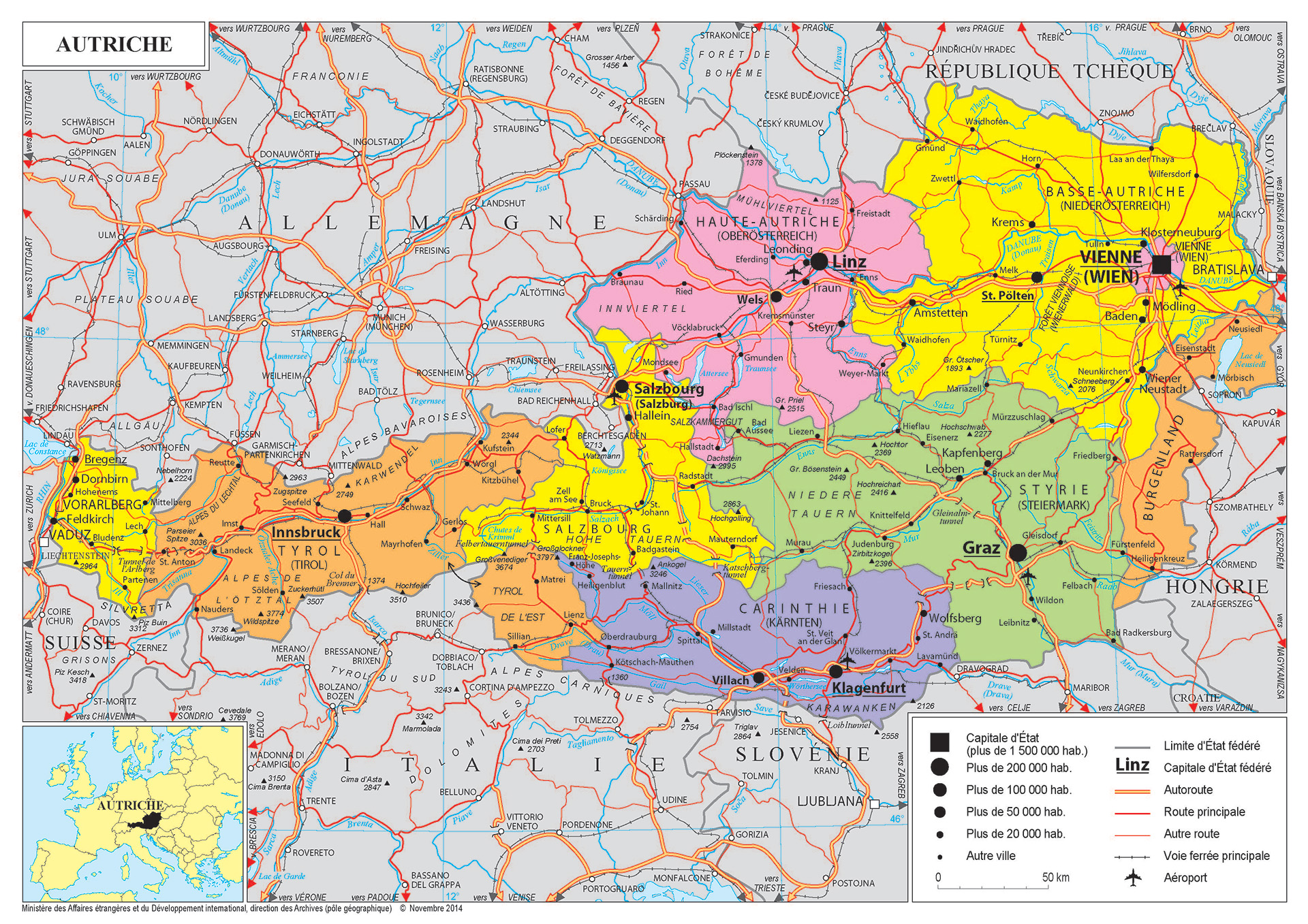
Area : 83,870 km²
Borders : 2,562 km (Czech Republic: 362 km, Germany: 784 km, Hungary: 366 km, Italy: 430 km, Liechtenstein: 34 km, Slovakia: 91 km, Slovenia: 330 km, Switzerland: 164 km)
Capital : Vienna
Official language : German
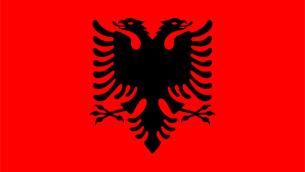
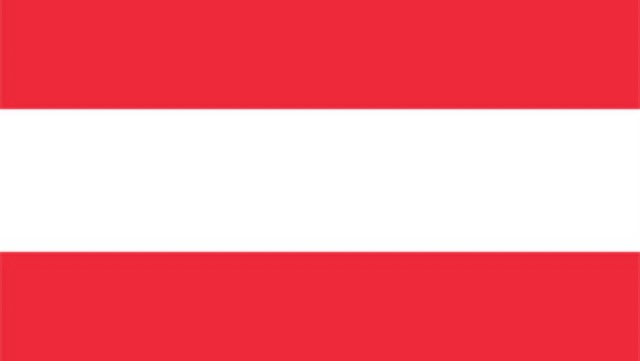
Flag
Population
Population : 9,197,213 (2025 est.)
Crude natural change rate : -1.2‰ (2024)
Population repartition: 14.3% under 15 years old, 20.3% over 65 years old (2025)
Foreign residents: EU nationals 9%, non-EU nationals 8% (2021)
Crude net migration rate: 5.4‰ (2024)
First time asylum applicants: 16,245 (2025)
Life expectancy: men 79.8 years, women 84.3 years (2024 est.)
Religions: Roman Catholic 73.6%, Orthodox 2.2%, Protestant 4.9%, other Catholics 0.2%, Muslim 3.5%, Alevi 0.7%, other 2.9%, none 12% (October 2024)
Source : Eurostat, Données mondiales, Statistics Austria
Economy
Currency: Euro
GDP: 512,813 billion € (2025)
GDP per capita (PPS): 54 136 € (december 2024)
GDP growth : 0.6% (2025)
Inflation: 3.2% (March 2026)
Public debt: 81,5% of GDP (2025 est)
Unemployment: 5.8% (February 2026)
Stock of foreign direct investment from the entire world: 44% of GDP (2024)
Budget balance: -4.2% of GDP (2025 est)
Source : Eurostat, Trading Economics, OCDE, WIFO
Political system
Federal republic, parliamentary democracy
Head of State: Alexander Van der Bellen (Greens) was re-elected in the first round of the election on October 9th 2022. He took office for his second term on January 26th 2023
Head of Government: Since the 3rd March 2025, Christian Stocker leads an ÖVP-SPÖ-NEOS coalition.
Bicameral parliamentary regime: the Bundesrat (Senate), whose 60 members are elected through provincial diets; the Nationalrat (Chamber of deputies), whose 183 members are elected by direct universal suffrage for a period of five years.
Political representation
Composition of the Bundesrat in February 2026:
- 22 seats ÖVP (People's Party)
- 18 seats SPÖ (Social Democratic Party)
- 16 seats FPÖ (Liberal Party, far-right)
- 3 seats GRÜNE (Greens)
- 1 NEOS seat (New Austria and Liberal Forum)
Composition of the Nationalrat in April 2026:
- 57 seats FPÖ (Liberal Party, far-right)
- 51 seats ÖVP (Christian Democratic People's Party)
- 41 seats SPÖ (Social Democratic Party, centre-left)
- 18 seats NEOS (New Austria and Liberal Forum)
- 16 seats GRÜNE (The Greens)
Women's representations
- in the government: 6/14
- in the Nationalrat: 64/183
- in the Bundesrat: 27/60
Next Elections:
On The Same Theme
Country Sheet
Country Sheet
Country Sheet
Country Sheet
Country Sheet
Country Sheet
Country Sheet
Country Sheet